Buy c-sro.eu ?
We are moving the project
c-sro.eu .
Are you interested in purchasing the domain
c-sro.eu ?
domain@kv-gmbh.de · 0541-91531010
Buy c-sro.eu ?
When can I transplant arborvitae trees?
Arborvitae trees can be transplanted in the early spring or late fall when the tree is dormant. This allows the tree to establish its roots before the stress of hot summer temperatures or freezing winter conditions. It is important to water the tree well before and after transplanting to help reduce transplant shock and ensure successful establishment in its new location. Additionally, it is best to transplant arborvitae trees when they are young, as older trees may have a more established root system that can make transplanting more difficult. **
Is ivy a threat to arborvitae hedges?
Yes, ivy can be a threat to arborvitae hedges. Ivy can compete with arborvitae for nutrients and water, potentially weakening the hedge. Additionally, ivy can grow aggressively and may smother the arborvitae if left unchecked. It is important to regularly monitor and manage any ivy growth near arborvitae hedges to prevent potential damage. **

Similar search terms for Arborvitae
Top-Angebote
Products related to Arborvitae:
-
Arcturus Editions Computer Science for Curious Kids: An Illustrated Introduction to Software Programming, Artificial Intelligence, Cyber-Security-And More!Give young readers the gift of knowledge, with this beautifully illustrated, inspirational, and accessible book. Discover how scientific ideas can be harnessed to create computer programs that make our lives easier, help us to work more efficiently, and fill our leisure time with fun. Explore key ideas in computer science such as algorithms, graphics, networking, and intelligent systems. See how software has developed from its earliest days, and what computer scientists of the future may achieve. In this series, big new concepts pop off the page, thanks to vibrant diagrams and an engaging, energetic prose style. Kids will relish sharing them with friends and family! Discover a new way of looking at the world with this wide-ranging celebration of the subject of computer science. A great gift for readers aged 8-12.8,99 £*Shipping: 2,99 £Secure redirect to the provider
-
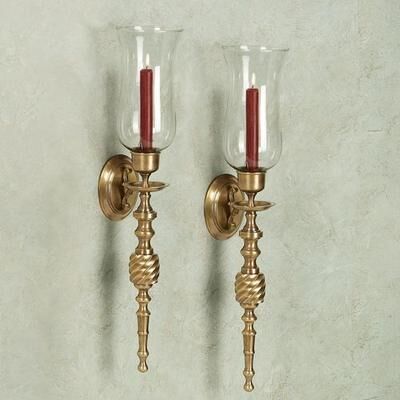
Flythe Consulting Arika Wall Sconce Pair, Pair, Satin NickelThe Arika Wall Sconce Pair is an adaptation of old-fashioned light fixtures, with an appealing design that will complement modern decor. The lacquered solid brass sconces have 4.75 dia.x7 H clear glass hurricanes that will protect your standard...179,00 $*Shipping: 22,95 $Secure redirect to the provider
-
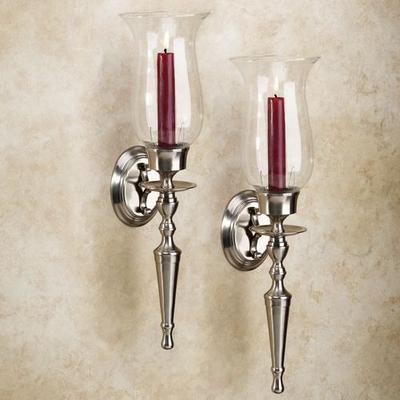
Flythe Consulting Manor Wall Sconce Pair, Pair, Satin NickelHandcrafted of solid brass, the Manor Wall Sconce Pair features a curved arm design and a lacquered hand-finish. Each 4.75 dia.x7 H glass hurricane protects your taper from drafts. Each decorative wall sconce is 4.5 Wx7 Dx15 H. This item is our...169,00 $*Shipping: 22,95 $Secure redirect to the provider


-
How do I care for arborvitae trees?
Arborvitae trees require regular watering, especially during their first year of growth. They prefer well-drained soil and should be mulched to help retain moisture. Pruning is recommended to maintain their desired shape and remove any dead or damaged branches. Fertilizing in the spring can help promote healthy growth. Additionally, protecting them from strong winds and heavy snow can prevent damage to the branches. **
-
Is ivy a danger to arborvitae hedges?
Yes, ivy can be a danger to arborvitae hedges. Ivy can compete with the arborvitae for water, nutrients, and sunlight, which can weaken the arborvitae and make it more susceptible to disease and pest infestations. Additionally, ivy can also weigh down the arborvitae branches and cause them to become misshapen or even break. It's important to regularly monitor and manage any ivy growth near arborvitae hedges to prevent potential damage. **
-
When do dead arborvitae plants lose their poison?
Dead arborvitae plants can still retain their toxic properties for some time after they have died. It is important to handle dead arborvitae plants with caution and wear gloves when removing them. The poison in dead arborvitae plants can persist for several months, so it is best to wait until the plant has fully decomposed before handling it without protection. It is always best to err on the side of caution and assume that the poison in dead arborvitae plants is still present until they have completely decomposed. **
-
How can one restore a run-down arborvitae?
To restore a run-down arborvitae, start by pruning away any dead or damaged branches to improve the overall health and appearance of the tree. Next, provide the arborvitae with proper watering and fertilization to promote new growth and improve its overall health. Consider applying a layer of mulch around the base of the tree to help retain moisture and protect the roots. Additionally, consider consulting with a professional arborist for further guidance on restoring the arborvitae to its optimal condition. **


How do I remove an old arborvitae hedge?
To remove an old arborvitae hedge, start by cutting back the branches and foliage using pruning shears or a chainsaw. Cut the branches close to the trunk or main stem to make the removal process easier. Once the branches are removed, you can then dig up the roots using a shovel or a mechanical root grinder. Be sure to remove as much of the root system as possible to prevent regrowth. Finally, dispose of the branches and roots properly, either by composting or taking them to a green waste facility. **
Help, why is my arborvitae hedge suddenly turning brown?
There are several reasons why your arborvitae hedge may be turning brown suddenly. Some common causes include overwatering, underwatering, poor soil drainage, extreme weather conditions, pests, diseases, or improper pruning. It's important to inspect the hedge closely to determine the exact cause and take appropriate action to address the issue. Consider consulting with a local horticulturist or arborist for a professional assessment and recommendations for treatment. **
Top-Angebote
Products related to Arborvitae:
-
Northlight 3' Artificial Cedar Pine Petite Arborvitae Tree in Round Pot UnlitCapture the spirit of the forest with this remarkable mini cedar pine arborvitae tree. This artificial tree looks incredibly real yet requires none of the maintenance of a living shrub.87,99 $*Shipping: 0,00 $Secure redirect to the provider
-
Arcturus Editions Computer Science for Curious Kids: An Illustrated Introduction to Software Programming, Artificial Intelligence, Cyber-Security-And More!Give young readers the gift of knowledge, with this beautifully illustrated, inspirational, and accessible book. Discover how scientific ideas can be harnessed to create computer programs that make our lives easier, help us to work more efficiently, and fill our leisure time with fun. Explore key ideas in computer science such as algorithms, graphics, networking, and intelligent systems. See how software has developed from its earliest days, and what computer scientists of the future may achieve. In this series, big new concepts pop off the page, thanks to vibrant diagrams and an engaging, energetic prose style. Kids will relish sharing them with friends and family! Discover a new way of looking at the world with this wide-ranging celebration of the subject of computer science. A great gift for readers aged 8-12.8,99 £*Shipping: 2,99 £Secure redirect to the provider
-
When can I transplant arborvitae trees?
Arborvitae trees can be transplanted in the early spring or late fall when the tree is dormant. This allows the tree to establish its roots before the stress of hot summer temperatures or freezing winter conditions. It is important to water the tree well before and after transplanting to help reduce transplant shock and ensure successful establishment in its new location. Additionally, it is best to transplant arborvitae trees when they are young, as older trees may have a more established root system that can make transplanting more difficult. **
-
Is ivy a threat to arborvitae hedges?
Yes, ivy can be a threat to arborvitae hedges. Ivy can compete with arborvitae for nutrients and water, potentially weakening the hedge. Additionally, ivy can grow aggressively and may smother the arborvitae if left unchecked. It is important to regularly monitor and manage any ivy growth near arborvitae hedges to prevent potential damage. **
-
How do I care for arborvitae trees?
Arborvitae trees require regular watering, especially during their first year of growth. They prefer well-drained soil and should be mulched to help retain moisture. Pruning is recommended to maintain their desired shape and remove any dead or damaged branches. Fertilizing in the spring can help promote healthy growth. Additionally, protecting them from strong winds and heavy snow can prevent damage to the branches. **
-
Is ivy a danger to arborvitae hedges?
Yes, ivy can be a danger to arborvitae hedges. Ivy can compete with the arborvitae for water, nutrients, and sunlight, which can weaken the arborvitae and make it more susceptible to disease and pest infestations. Additionally, ivy can also weigh down the arborvitae branches and cause them to become misshapen or even break. It's important to regularly monitor and manage any ivy growth near arborvitae hedges to prevent potential damage. **
Similar search terms for Arborvitae
-
Flythe Consulting Arika Wall Sconce Pair, Pair, Satin NickelThe Arika Wall Sconce Pair is an adaptation of old-fashioned light fixtures, with an appealing design that will complement modern decor. The lacquered solid brass sconces have 4.75 dia.x7 H clear glass hurricanes that will protect your standard...179,00 $*Shipping: 22,95 $Secure redirect to the provider
-
Flythe Consulting Manor Wall Sconce Pair, Pair, Satin NickelHandcrafted of solid brass, the Manor Wall Sconce Pair features a curved arm design and a lacquered hand-finish. Each 4.75 dia.x7 H glass hurricane protects your taper from drafts. Each decorative wall sconce is 4.5 Wx7 Dx15 H. This item is our...169,00 $*Shipping: 22,95 $Secure redirect to the provider
-
Smart Shopping Spot Sensory Integration Foam Toys, Kids Balance Stapstones, 5pcs Sports Balance Toys For Kids cBoost Your Child's Balance Skills Looking to help your child improve their physical balance and coordination Our Kids Balance Stapstones are designed to promote sensory integration and enhance motor skills. The foam structure makes them soft yet...39,97 $*Shipping: 0,00 $Secure redirect to the provider
-
Uplifted Goods Inflatable Baby Tummy Time Water Play Mat For Sensory Development cTurn tummy time into a fun and engaging experience with this inflatable baby water play mat designed to support early sensory development. The colorful floating shapes inside capture your babys attention while encouraging head neck and shoulder...39,97 $*Shipping: 0,00 $Secure redirect to the provider
-
When do dead arborvitae plants lose their poison?
Dead arborvitae plants can still retain their toxic properties for some time after they have died. It is important to handle dead arborvitae plants with caution and wear gloves when removing them. The poison in dead arborvitae plants can persist for several months, so it is best to wait until the plant has fully decomposed before handling it without protection. It is always best to err on the side of caution and assume that the poison in dead arborvitae plants is still present until they have completely decomposed. **
-
How can one restore a run-down arborvitae?
To restore a run-down arborvitae, start by pruning away any dead or damaged branches to improve the overall health and appearance of the tree. Next, provide the arborvitae with proper watering and fertilization to promote new growth and improve its overall health. Consider applying a layer of mulch around the base of the tree to help retain moisture and protect the roots. Additionally, consider consulting with a professional arborist for further guidance on restoring the arborvitae to its optimal condition. **
-
How do I remove an old arborvitae hedge?
To remove an old arborvitae hedge, start by cutting back the branches and foliage using pruning shears or a chainsaw. Cut the branches close to the trunk or main stem to make the removal process easier. Once the branches are removed, you can then dig up the roots using a shovel or a mechanical root grinder. Be sure to remove as much of the root system as possible to prevent regrowth. Finally, dispose of the branches and roots properly, either by composting or taking them to a green waste facility. **
-
Help, why is my arborvitae hedge suddenly turning brown?
There are several reasons why your arborvitae hedge may be turning brown suddenly. Some common causes include overwatering, underwatering, poor soil drainage, extreme weather conditions, pests, diseases, or improper pruning. It's important to inspect the hedge closely to determine the exact cause and take appropriate action to address the issue. Consider consulting with a local horticulturist or arborist for a professional assessment and recommendations for treatment. **
* All prices are inclusive of VAT and, if applicable, plus shipping costs. The offer information is based on the details provided by the respective shop and is updated through automated processes. Real-time updates do not occur, so deviations can occur in individual cases. ** Note: Parts of this content were created by AI.